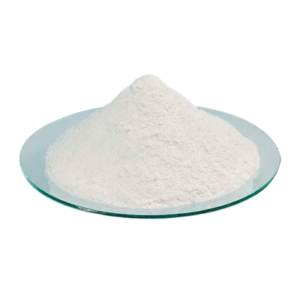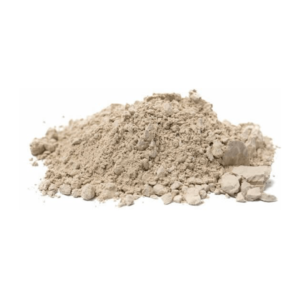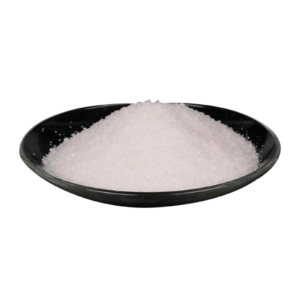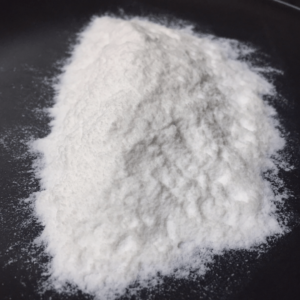
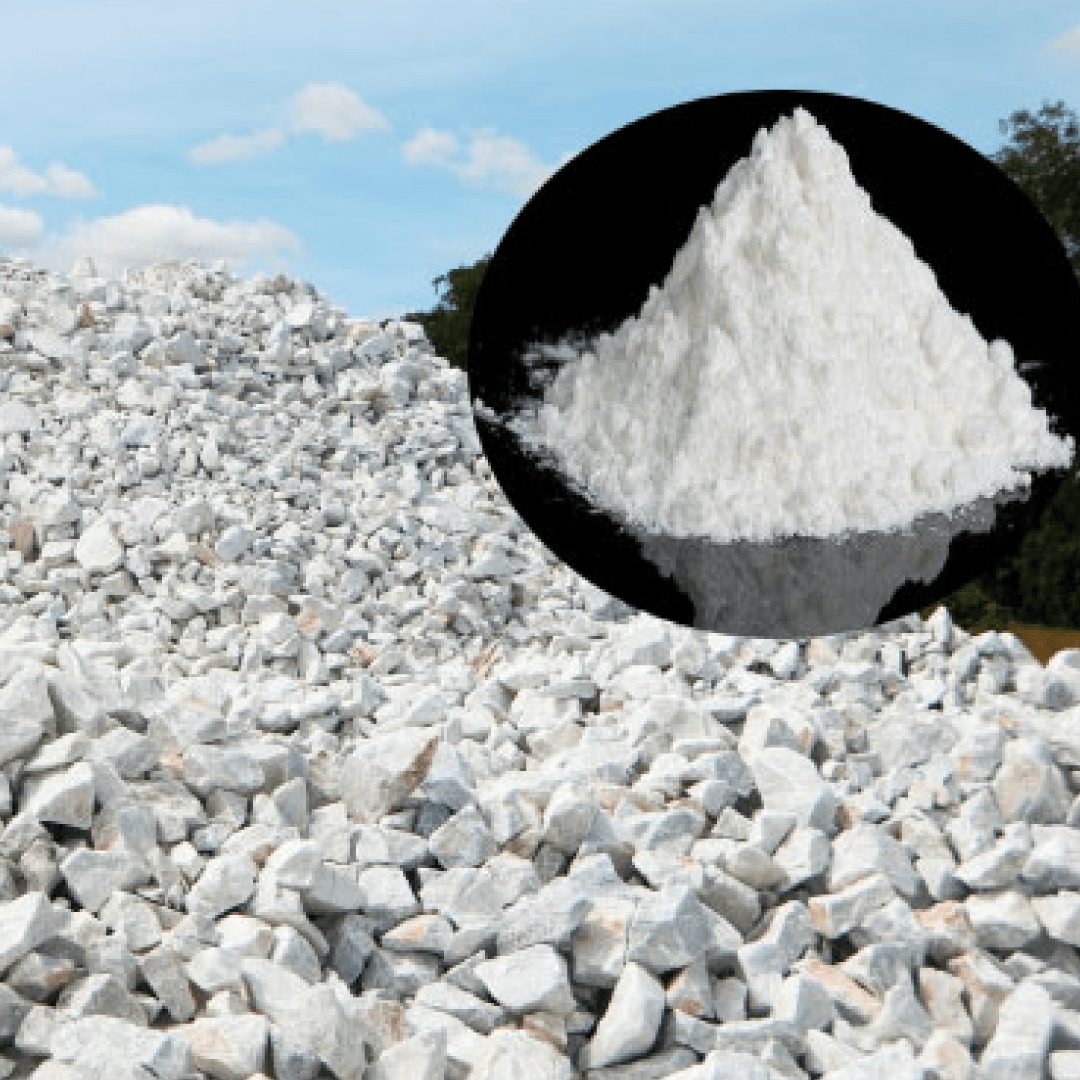
แคลเซียมคาร์บอเนตทำหน้าที่เป็นสารตัวเติมซึ่งจะช่วยทำหน้าที่ในการเพิ่มเนื้อให้แก่ผลิตภัณฑ์ยางและช่วยในการลดต้นทุนการผลิต ในอุตสาหกรรมยางจะใช้เป็นตัวเติมในผลิตภัณฑ์ยางที่ไม่ใช่สีดำ เนื่องจากแคลเซียมคาร์บอเนตจะช่วยเพิ่มความแข็งแรงให้ยาง มีการกระจายตัวดีและช่วยทำให้กรรมวิธีการผลิตง่ายขึ้น โดยที่ความแข็งแรงจะเพิ่มขึ้นตามขนาดที่เล็กลงของผงแคลเซียมคาร์บอเนต แต่ไม่ช่วยในการปรับปรุงสมบัติเชิงกล ทำให้ความหนืดของยางคอมพาวด์มีแนวโน้มเพิ่มขึ้น
แคลเซียมคาร์บอเนต (Calcium Carbonate) ในการขุดเจาะ
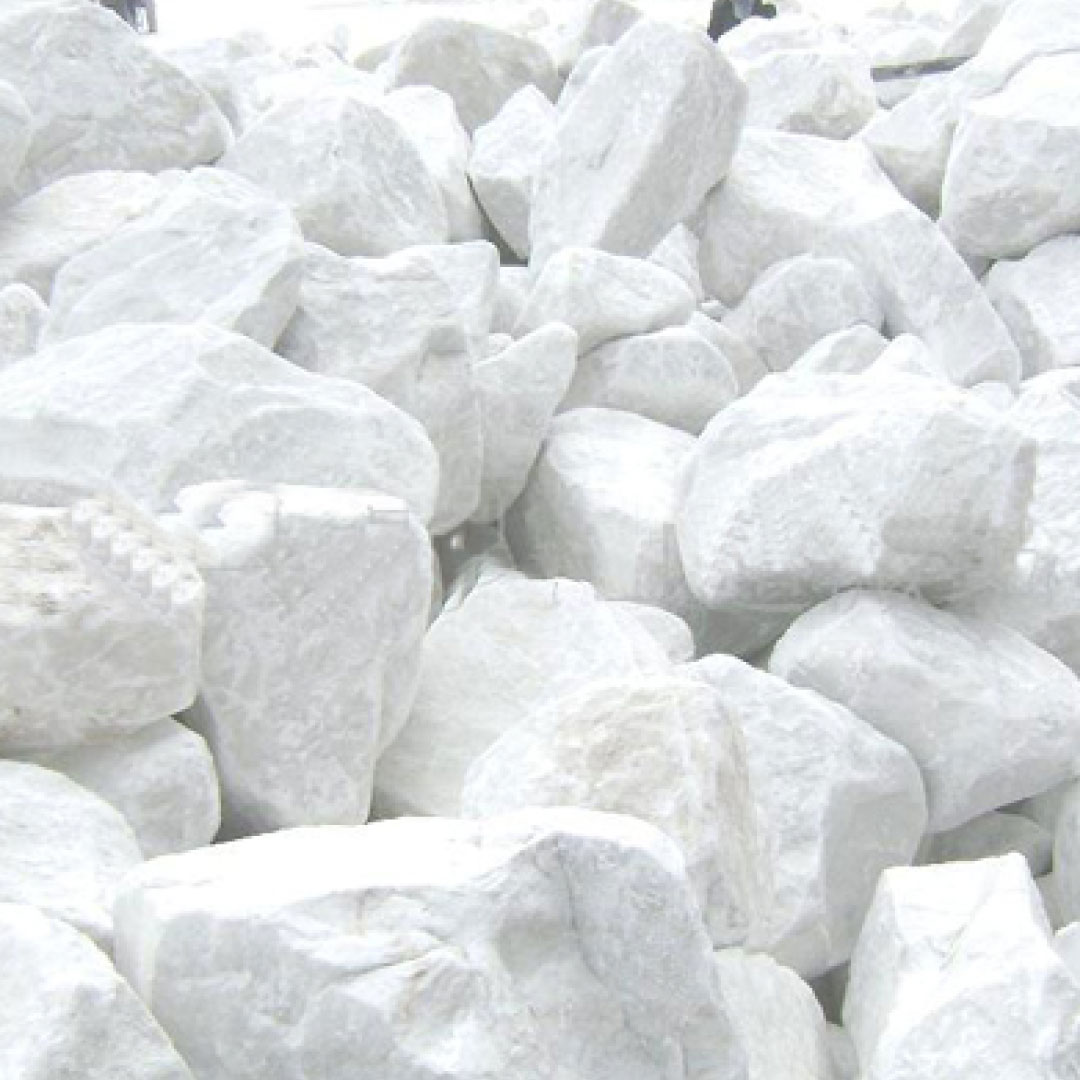
แคลเซียมคาร์บอเนต (Calcium Carbonate) หรือ หินปูน เป็นสารที่เกิดจากการตกตะกอนของหิน กระดูกสัตว์ และสะสมตัวของเปลือกหอย ปะการัง และหินในท้องทะเล ในธรรมชาติพบได้มากในแบบหินแคลไซต์ โดยแคลเซียมคาร์บอเนตเกิดจากการบดหินแคลไซต์จนเป็นผงละเอียด มีลักษณะโปร่งใส เมื่อบดเป็นผลจะมีสีขาวสะอาด
คุณสมบัติ
- มีความบริสุทธิ์สูง ไม่มีการปนเปื้อนของโลหะหนัก
- มีสถานะเป็นผงสีขาว มีความสว่างสูง จึงดูมีความขาวเป็นพิเศษ
- ดูดซับน้ำมันได้ดี
- มีความแข็งระดับ 3 จึงบดละเอียดได้ง่าย
- มีความเสถียรทางเคมีสูง
- สลายได้เมื่อได้รับความร้อนอุณหภูมิ 825 องศาเซลเซียส
- ไม่เป็นพิษ ไม่มีกลิ่น ไม่ติดไฟง่าย
- ไม่ละลายในน้ำ และแอลกอฮอล์
- ละลายได้เมื่อเจอก๊าซคาร์บอนไดออกไซด์ เกลือ และแอลโมเนียม
- ในน้ำที่มีแคลเซียมคาร์บอเนตอยู่จะมีสภาพเป็นด่างหรือน้ำกระด้าง
Calcium carbonate 9×1

Calcium carbonate FCC200